
 By Hashim Hashmi

The following guide explains how belt drive systems work, how they handle gear shifting through internal gear hubs, and their specific pros and cons regarding cost, frame compatibility, and lifespan.
Belt Drive Bike: The Complete Guide to Chainless Riding, Pros, Cons, and Gear Systems
A belt-driven bicycle is a chainless machine. It uses a flexible, toothed belt—typically reinforced with carbon fiber—instead of a traditional metal chain to transmit power from your pedals to the rear wheel. As noted in Wikipedia, these continuous belts wrap around specially designed sprockets on the crankset and rear wheel. Such designs offer a clean, lubrication-free alternative for riders.
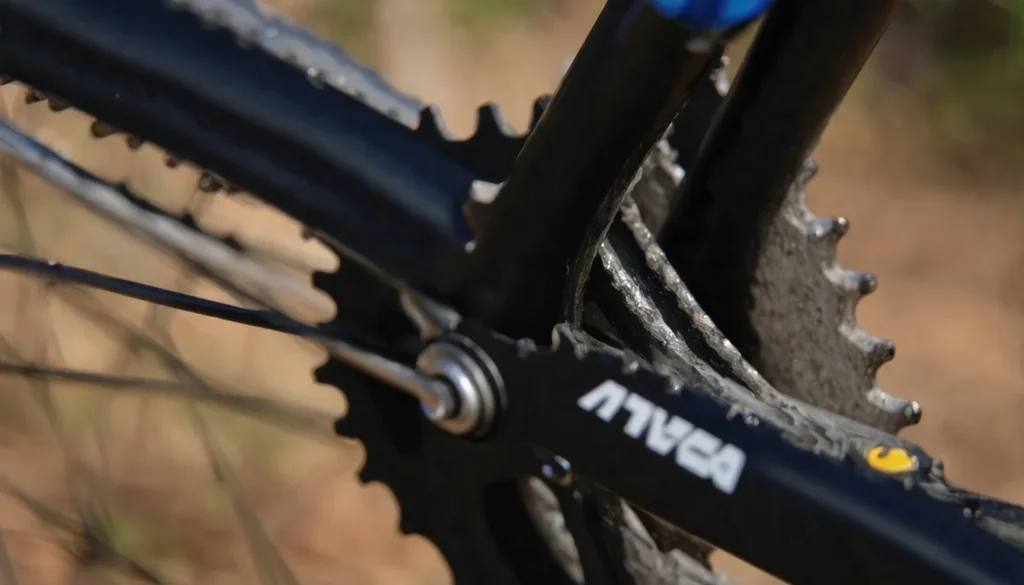
You will find these systems increasingly common on commuter models and urban e-bikes because they require very little upkeep. Unlike standard chains that collect grit and fling black grease onto your trousers, a carbon belt runs dry. It does not rust in wet weather, and it stays quiet mile after mile.
What is a belt driven bike?
A belt driven bike replaces the standard steel chain and external cogs with a high-tensile polymer belt and matching sprockets. You eliminate the oily mess associated with traditional drivetrains. Polyurethane and carbon fiber require no liquid lubricants to run smoothly. Dust and mud do not stick to the belt in the same way they cling to chain grease. Users simply rinse the system with water when it gets dirty.
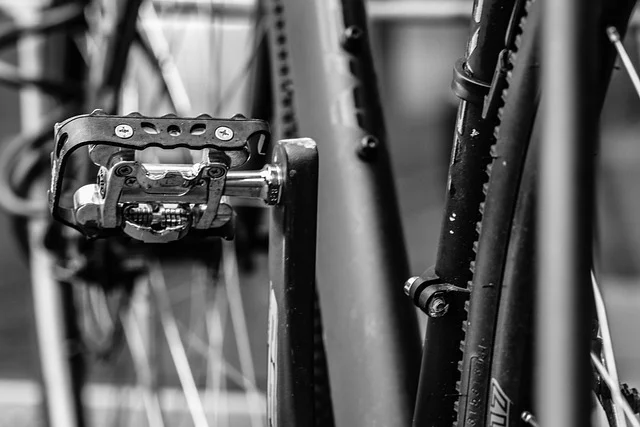
Manufacturers design these systems to withstand thousands of hours of tension and torque without stretching. You get a direct, smooth transfer of power from your legs to the road, with zero metal-on-metal scraping noises.
How do belt drive bikes work?
Belt drive bikes work by transferring your pedalling force through a continuous, synchronous toothed belt. This belt engages matching teeth on the front and rear sprockets. Modern Gates Carbon Drive belts rely on high-tensile carbon fiber cords embedded inside the polyurethane body. These cords prevent the belt from stretching under heavy loads.
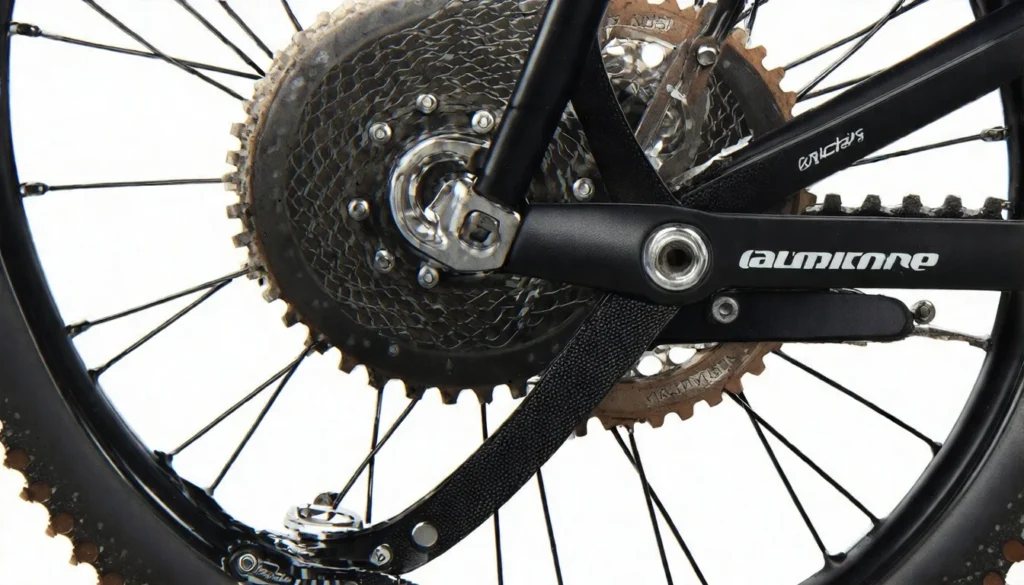
Because the belt is a single continuous loop, your bicycle frame requires a special split design. Without a split in the rear triangle or seatstay, you could never thread the belt through the frame tubes. This requirement is why you cannot simply swap a standard chain frame over to a belt system without checking compatibility first.
How do belt drive bikes change gears?
Belt drive bikes change gears using an internal gear hub (IGH) mounted inside the rear wheel. They cannot work with external derailleur systems. Because a belt cannot shift sideways across multiple cogs like a chain does, all gear changes happen inside a sealed planetary gearbox.
You can shift these internal hubs while pedalling lightly, while stopped at a junction, or even while coasting, depending on the specific hub model. Many modern commuters pair a belt with systems like Shimano Nexus or Rohloff hubs. Recent setups even integrate gearboxes directly into the bottom bracket shell.
Why choose a belt drive bike?
You choose a belt drive bike to eliminate daily drivetrain maintenance, greasy trousers, and rusted components. Commuters and all-weather riders select these systems because winter salt, rain, and grit destroy metal chains within months. Carbon belts shrug off moisture and require zero lube.
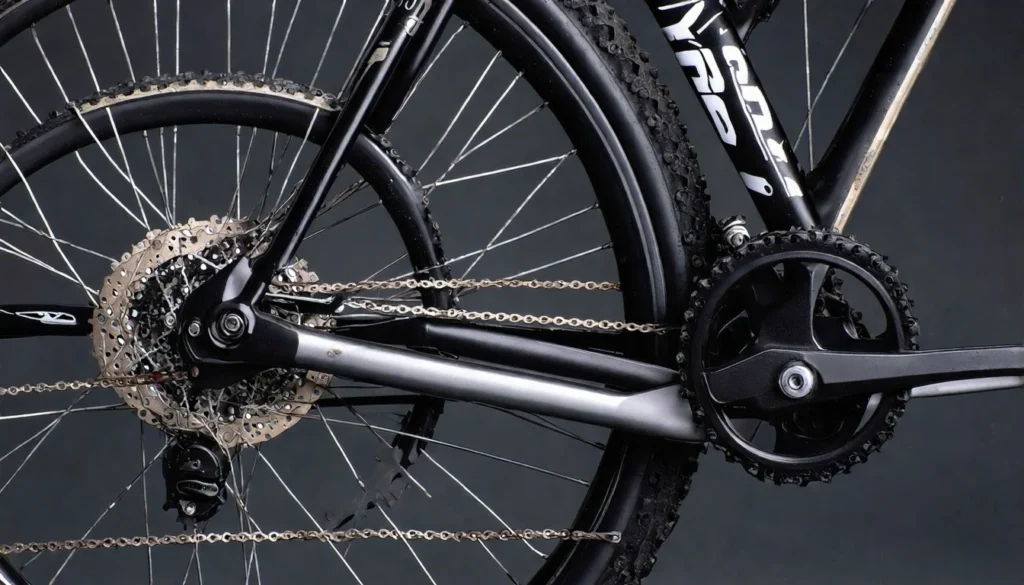
You also benefit from longevity. A well-maintained chain might last a few thousand kilometres before stretching past its limit. Carbon belts routinely last three to four times that distance before showing signs of wear.
Is a belt drive bike worth it?
A belt drive bike is worth the investment if you want a reliable commuter or urban machine that eliminates chain grease, rust, and regular cleaning routines. You trade the low initial cost of a traditional chain for a drivetrain. This drivetrain can last between 15,000 and 30,000 kilometres without needing replacement oils or deep cleaning.

However, you should consider the downsides before buying. Belt-compatible frames and replacement parts carry a higher upfront cost, and finding a roadside repair shop with spare belt components in a remote area can prove difficult compared to finding a standard chain link.
Can belt drive bikes have gears?
Belt drive bikes can indeed have gears. They rely entirely on internal gear hubs or bottom-bracket gearboxes rather than standard derailleurs. You operate a standard handlebar twist-shifter or trigger, just like you would on a geared chain bike.
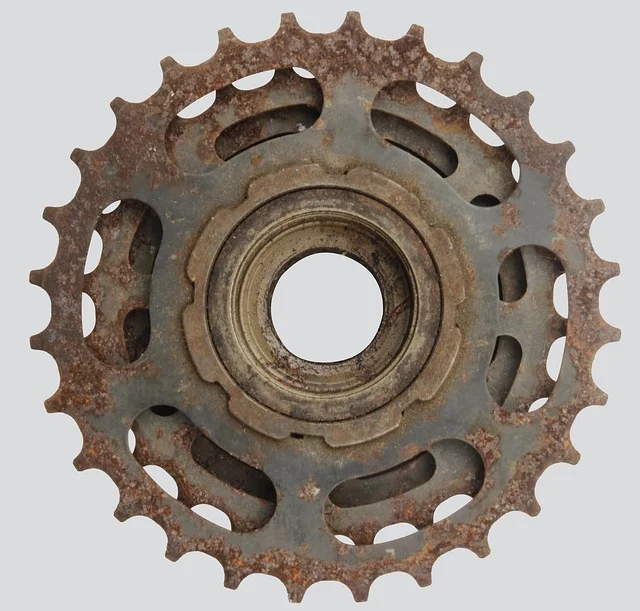
Popular internal gear options range from simple 3-speed and 7-speed hubs for flat city riding to heavy-duty 14-speed Rohloff hubs. These rival the gear range of traditional mountain bikes. You enjoy a wide spread of gears while keeping all the moving parts sealed away from dirt and water.
Belt drive bike vs chain: Detailed comparison
Comparing a belt drive to a traditional chain highlights clear operational differences across everyday use:
- Maintenance: Chains require weekly degreasing and oiling. Belts need only an occasional rinse with water.
- Lifespan: Chains stretch and wear out quickly under load. Belts maintain their pitch and last up to 30,000 kilometres.
- Cleanliness: Chains fling black grease onto clothing. Belts run completely dry and leave your legs and trousers clean.
- Repairs: Snapped chains accept quick-links for easy roadside fixes. Broken belts require a complete replacement and are exceptionally rare.
- Efficiency: Traditional clean chains offer peak mechanical efficiency, while belts can exhibit slight frictional drag if tensioned too tightly.
Belt drive bike frame design and compatibility
You cannot mount a belt onto a standard bicycle frame. The continuous loop has no master link to open it up. Frame builders must engineer a split point—usually at the right-side rear dropout or seatstay. This allows you to unbolt the frame tube, slip the belt through the rear triangle, and bolt the frame back together.
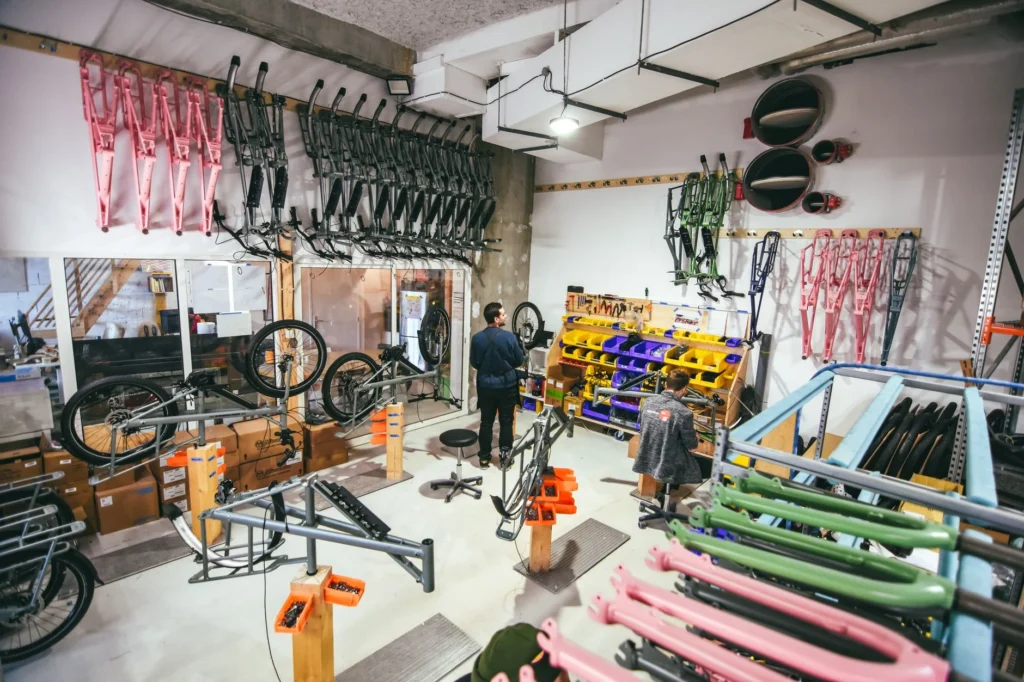
You also need sliding or horizontal dropouts or an eccentric bottom bracket. [shop.carbondrive.net] Because belts require precise tension to avoid slipping or binding, you must be able to slide the rear wheel backward or rotate the bottom bracket shell to pull the belt tight.
Belt drive bike conversion and conversion kits
Converting an existing chain-driven bicycle to a belt drive presents a major structural challenge. Unless your current frame features a removable split in the rear triangle, you cannot physically install a continuous belt.
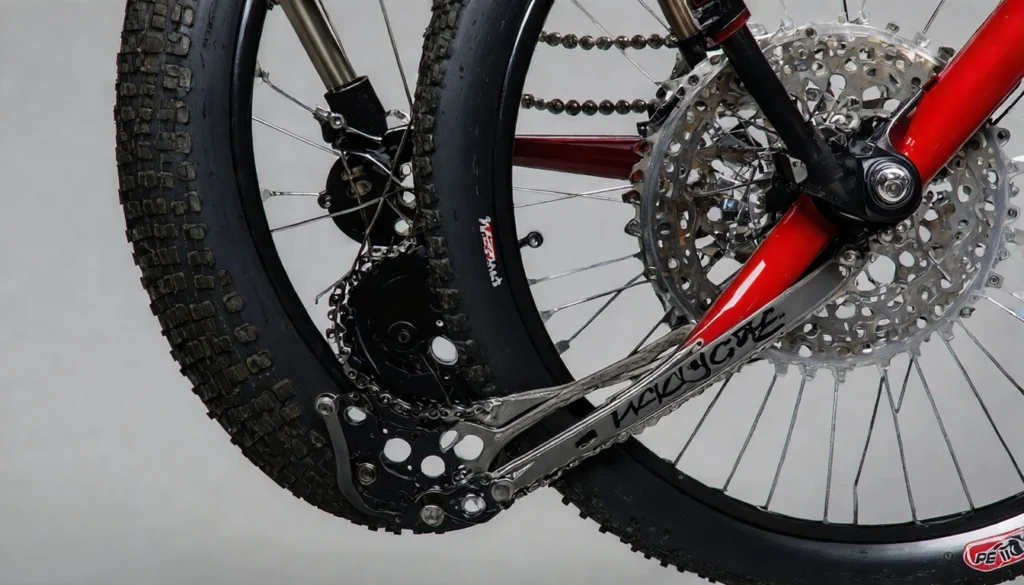
If your frame does feature a split dropout, you must purchase a belt-compatible crankset, a compatible rear sprocket, an internal gear hub or single-speed setup, and the exact length of carbon belt specified by the manufacturer. You also need to verify that your rear dropout allows for proper belt tension adjustment.
Belt drive bike pros and cons
Advantages
- Zero grease means no stained clothing or dirty hands when handling your bike.
- Exceptional durability in harsh weather, rain, snow, and coastal salt air.
- Silent operation without chain clatter or metal friction.
- Low overall lifetime upkeep compared to swapping stretched chains and worn cassettes.
Disadvantages
- Higher purchase price for the complete bicycle and specialized replacement parts.
- Incompatible with standard external derailleur gear setups.
- Requires a specially designed frame with a split rear triangle.
- Sourcing a replacement belt while touring in remote regions can be difficult.
Frequently asked questions
Can you convert a normal bike to a belt drive?
You cannot easily convert a standard bicycle to a belt drive. Your frame must feature a removable split in the rear triangle to feed the continuous belt through. Most standard chain frames lack this opening.
Do belt drive bikes slip under heavy load?
Modern carbon-reinforced belts do not slip under normal riding conditions if tensioned correctly during installation. Proper alignment and tension keep the teeth securely engaged with the sprockets.
Are belt drives slower than chains?
While elite racing chains offer marginal efficiency gains, the difference in speed is practically unnoticeable. Commuter or urban rides see no real change for the vast majority of cyclists.
Do belt drive bikes require special tools to service?
You rarely need to service the belt itself, but adjusting belt tension or removing the rear wheel with an internal gear hub may require specific wrench sizes and proper alignment gauges.