
 By Hashim Hashmi
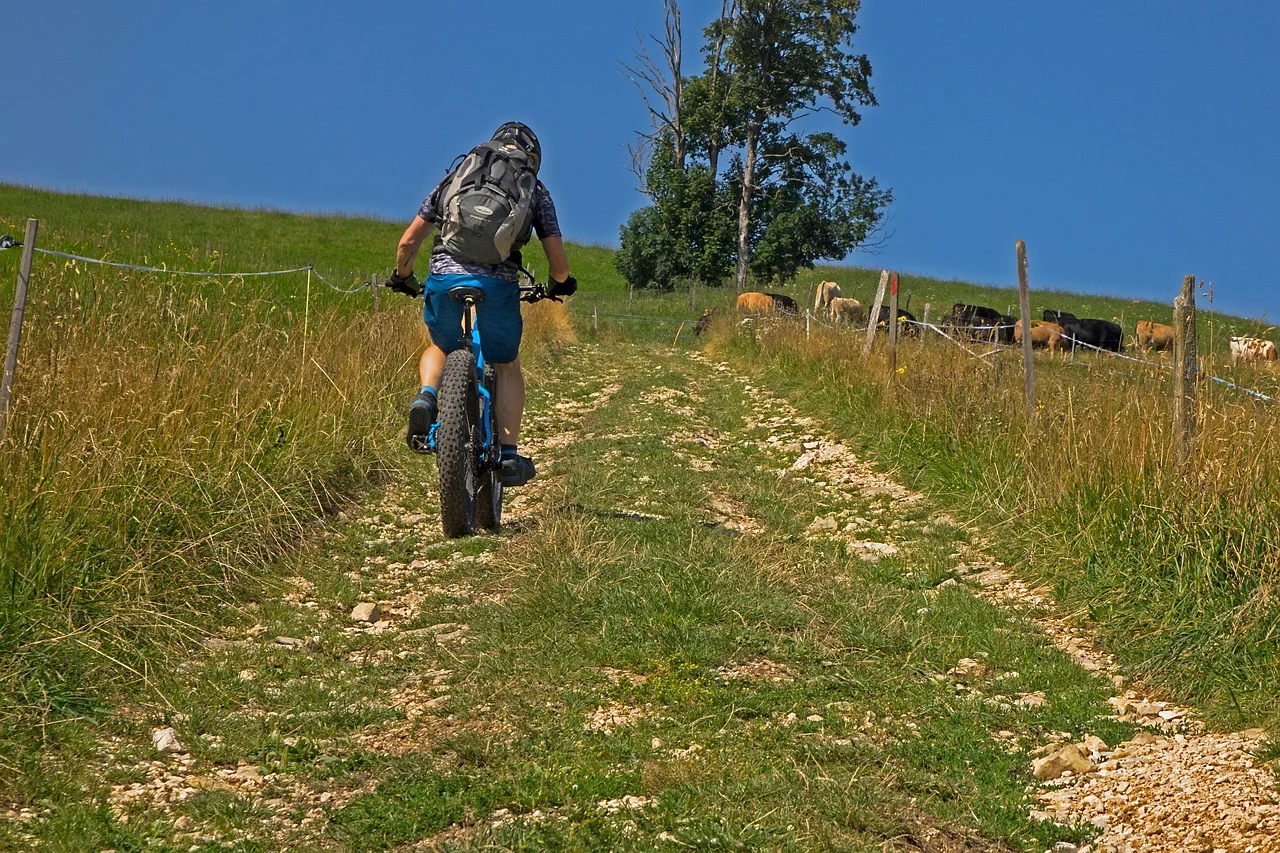
This guide covers how to select the right motor class, frame material, and component tier for your riding style. It also explains full suspension options, maintenance demands, and how to test models before buying.
E Mountain Bike: Which Model to Buy, Full Suspension Options, and Buying Guide
What is an e mountain bike?
An e mountain bike is an electrically assisted bicycle. It combines a solid off-road frame with an integrated motor and battery system to amplify your pedaling effort. Many e mountain bikes provide pedal assistance. These systems use mid-drive motors near the bottom bracket or hub-drive motors at a wheel. [quietkat.com]
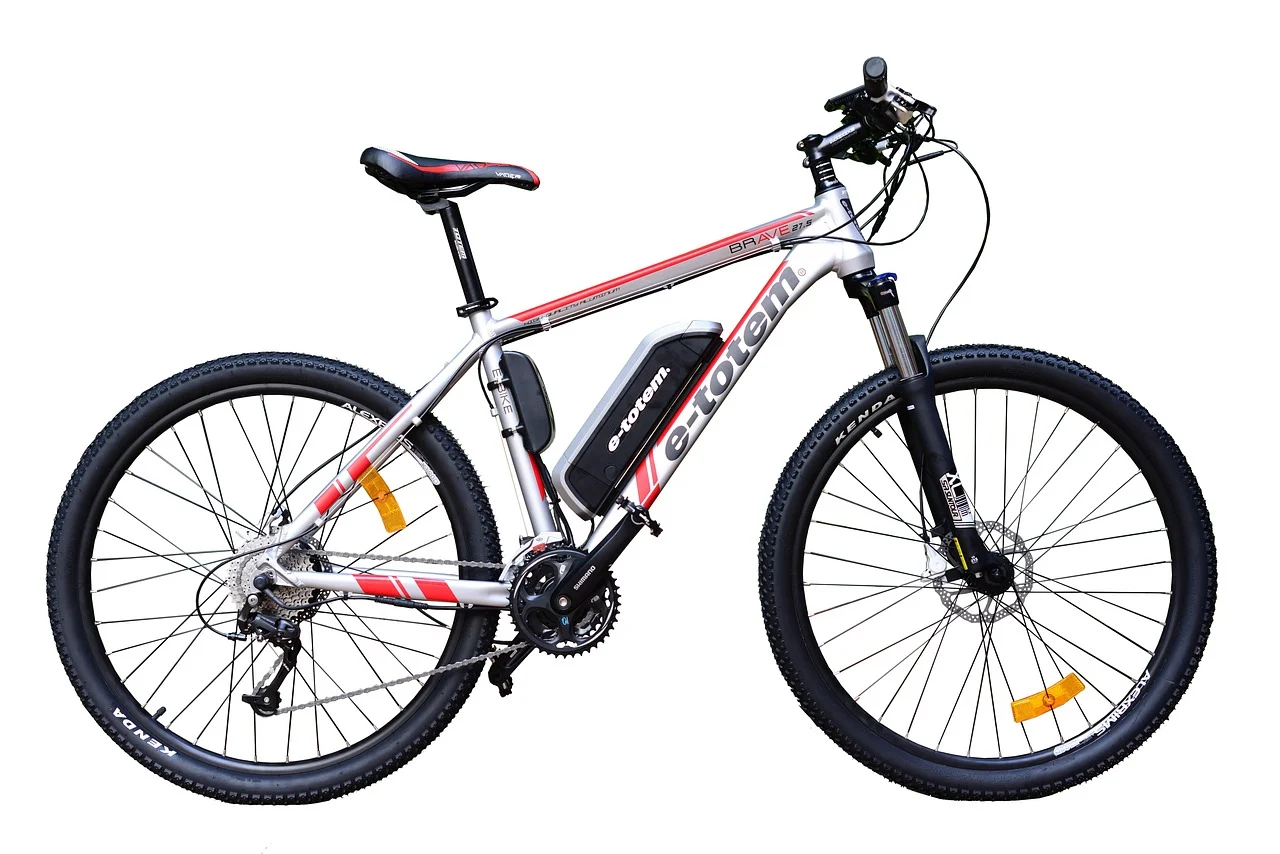
When you start looking at options on the market, you will notice that current e mountain bikes generally fall into two main categories: full-power models and lightweight designs. Full-power bikes use larger batteries ranging from 600Wh to 800Wh and powerful motors delivering up to 120Nm of torque. Lightweight designs focus on a more natural ride feel with smaller systems, making them easier to maneuver on tight singletrack.
Why buy an electric mountain bike?
You buy an electric mountain bike to extend your range. Such models conquer steep climbs without exhaustion, and fit more descending lapse into a limited window of time. Because the motor matches your pedaling input, you still get a solid workout. Riders cover significantly more ground than they would on a standard acoustic bike.
Critics sometimes argue that electric bikes remove the physical challenge of riding. Actual exertion levels remain comparable to traditional cycling because riders simply push harder and stay out on the trails longer. Maintenance demands are slightly higher due to the extra weight and torque wearing through chains and cassettes faster. Buyers should factor replacement parts into their ongoing budget.
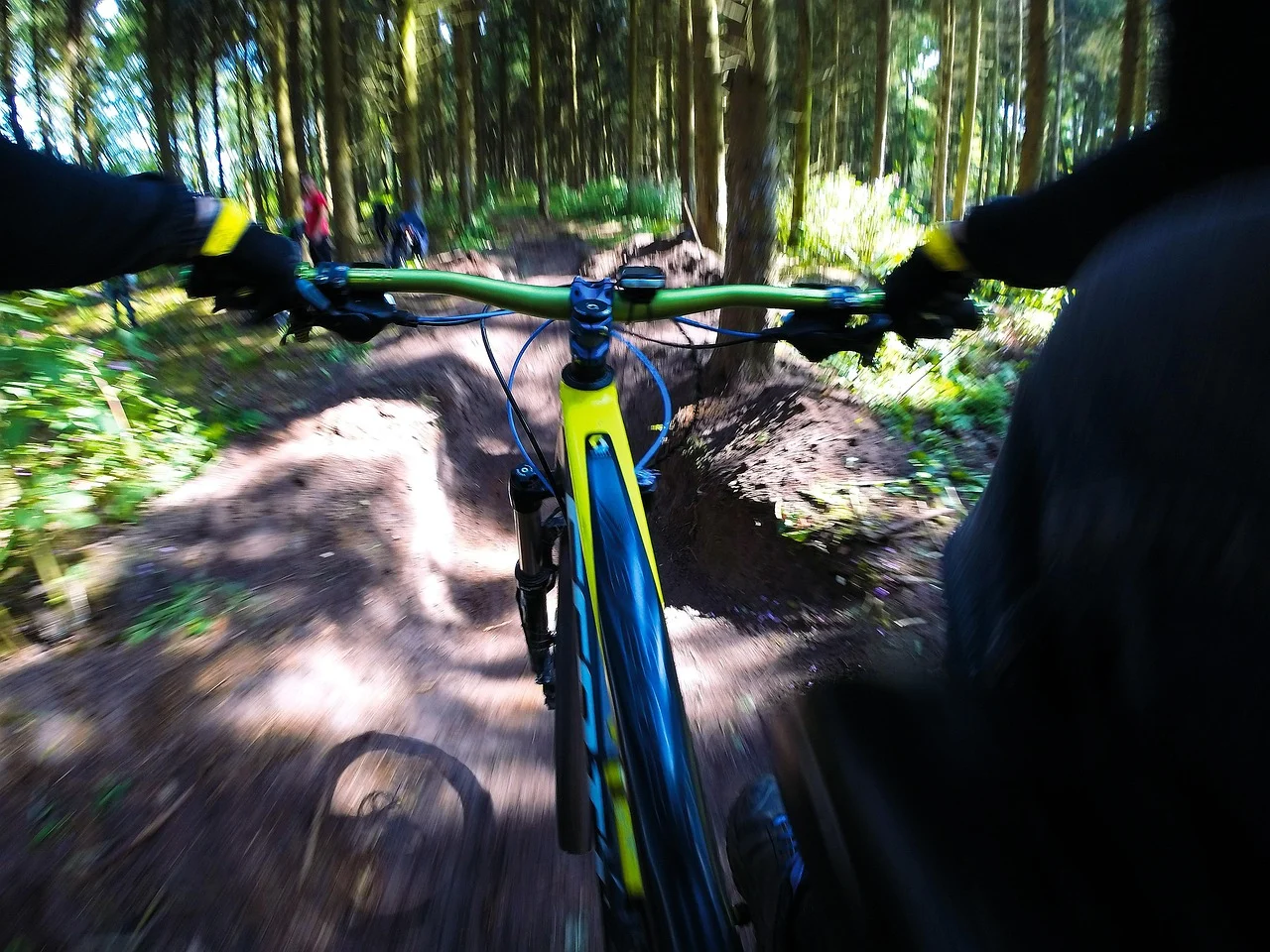
When you evaluate your weekly schedule, an e-mtb lets you complete a two-hour trail loop in roughly half the time. Riders can also tackle twice the vertical elevation during the same lunch break.
What e mountain bike to buy
Choosing the right e mountain bike depends on your budget, trail type, and preferences. Decisions involve choosing whether you prefer full suspension or a hardtail setup. Current prices generally range from $2,500 to $10,000, with decent trail-ready models starting around $3,000 to $6,000.
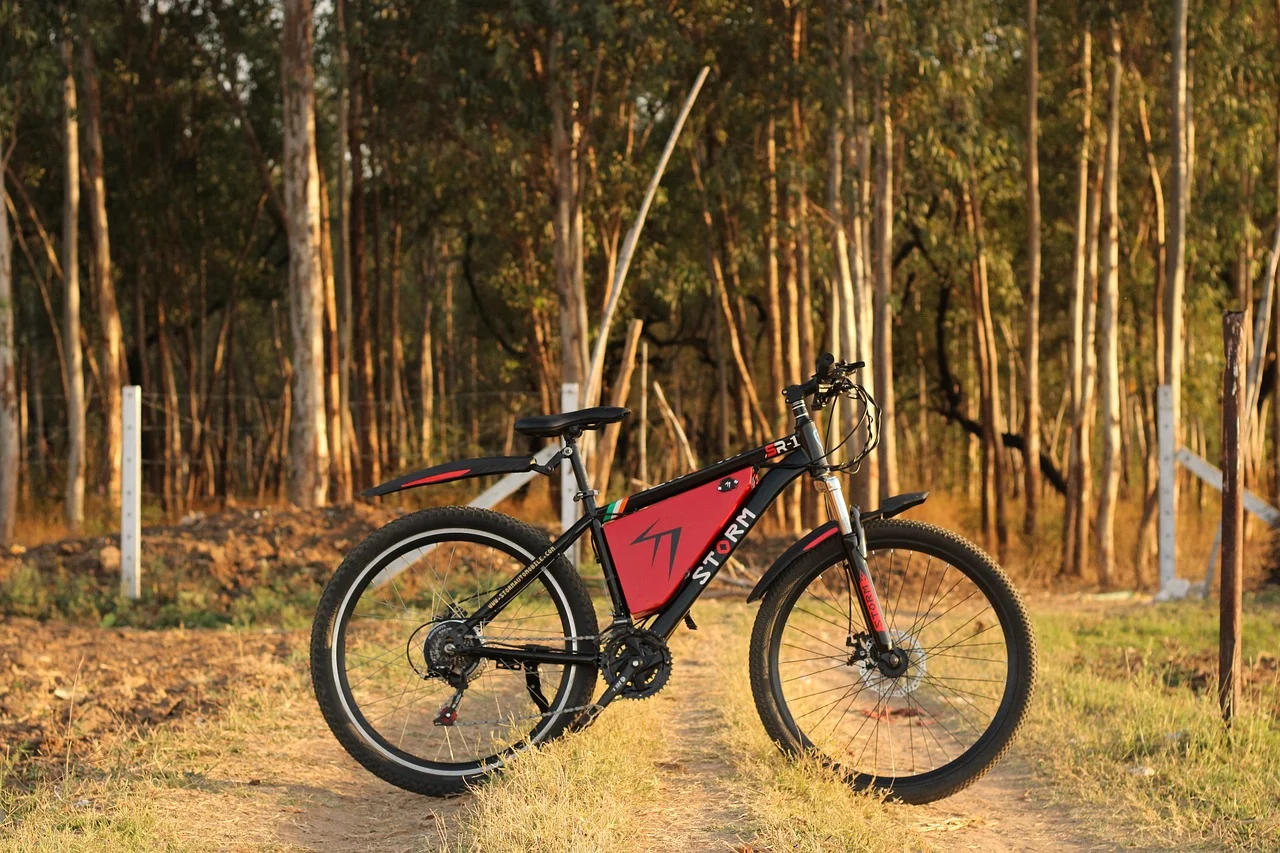
If you ride technical terrain regularly, an e-mtb full suspension model absorbs impacts. Such a design keeps the rear wheel tracking over roots and rocks. For smoother fire roads and gentler cross-country paths, a simpler hardtail setup reduces maintenance and upfront costs.
E mountain bike full suspension considerations
Full suspension platforms on electric mountain bikes manage the extra weight of the motor and battery. Systems utilise beefier linkage designs and heavier-duty shock tunes. You need to look for frame stiffness and kinematics. These features prevent the suspension from bobbing excessively while you pedal uphill under power.
When you descend, the additional weight helps plant the tires into loose dirt. Gravity also requires you to brake earlier and adjust your cornering lines to compensate for the momentum.
Which e mountain bike is best?
The best e mountain bike is the one that matches your local trail conditions, riding posture preferences, and motor system requirements. Industry standards rely heavily on advanced drive units like the Bosch Smart System, Shimano EP801, and newer entrants like the DJI Avinox system, which offer solid power delivery and smartphone integration.
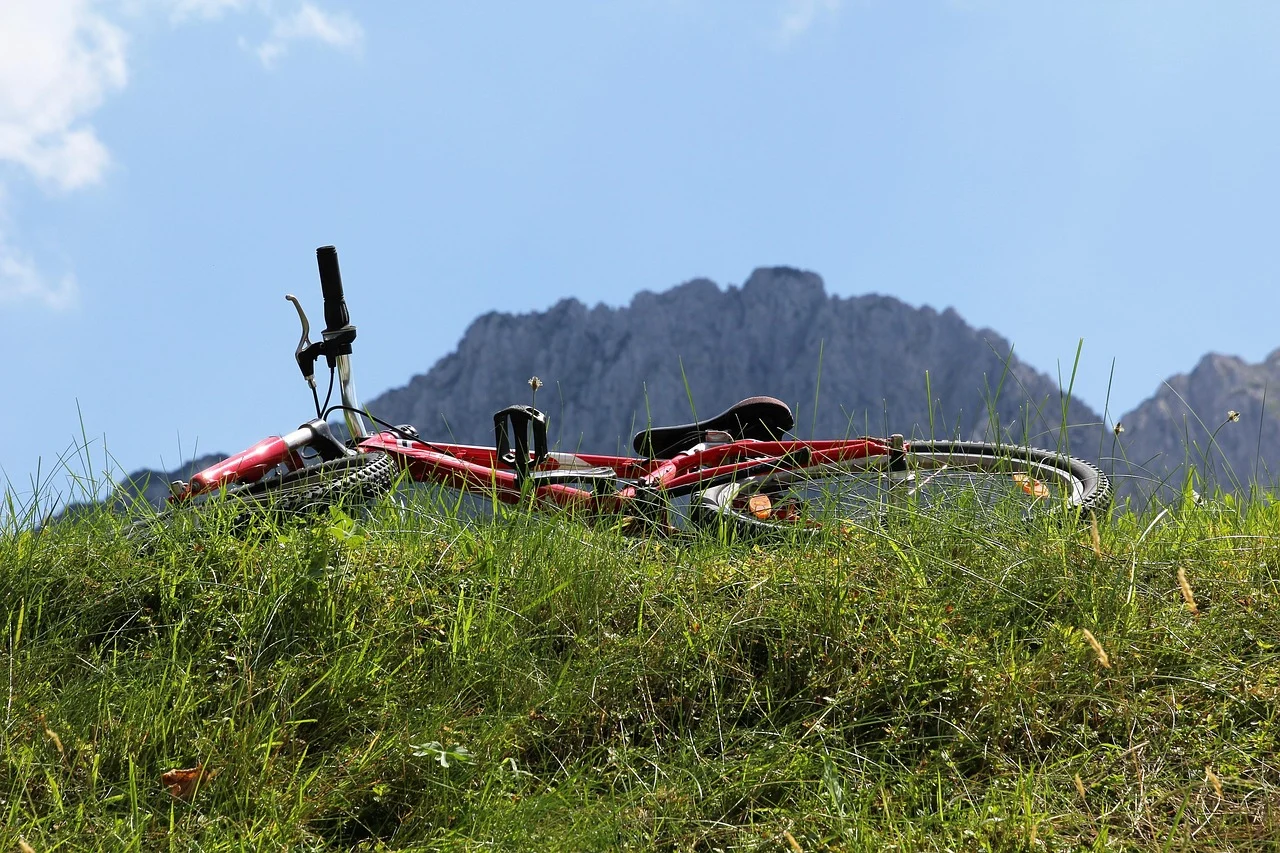
Before purchasing, test ride a few different models to check how the motor engages under load. If you primarily ride steep mountain descents, prioritise a slacker head angle and durable braking components over battery capacity.
What e mountain bike should I buy based on specific features?
You narrow down your choice by matching motor classes, frame materials, and component tiers to your riding style. Follow these concrete steps to select your ideal build:
-
- Define your primary terrain. Choose hardtails for smooth fire roads, mid-travel full suspension for general trail riding, and long-travel models for steep endure descents.
- Determine your battery capacity needs: Select a 400Wh to 500Wh battery if you ride short, punchy loops, or a 700Wh+ battery if you plan all-day alpine epics.
- Check motor torque specs. Look for higher torque (85Nm to 120Nm) if you face steep, technical climbs from a dead stop.
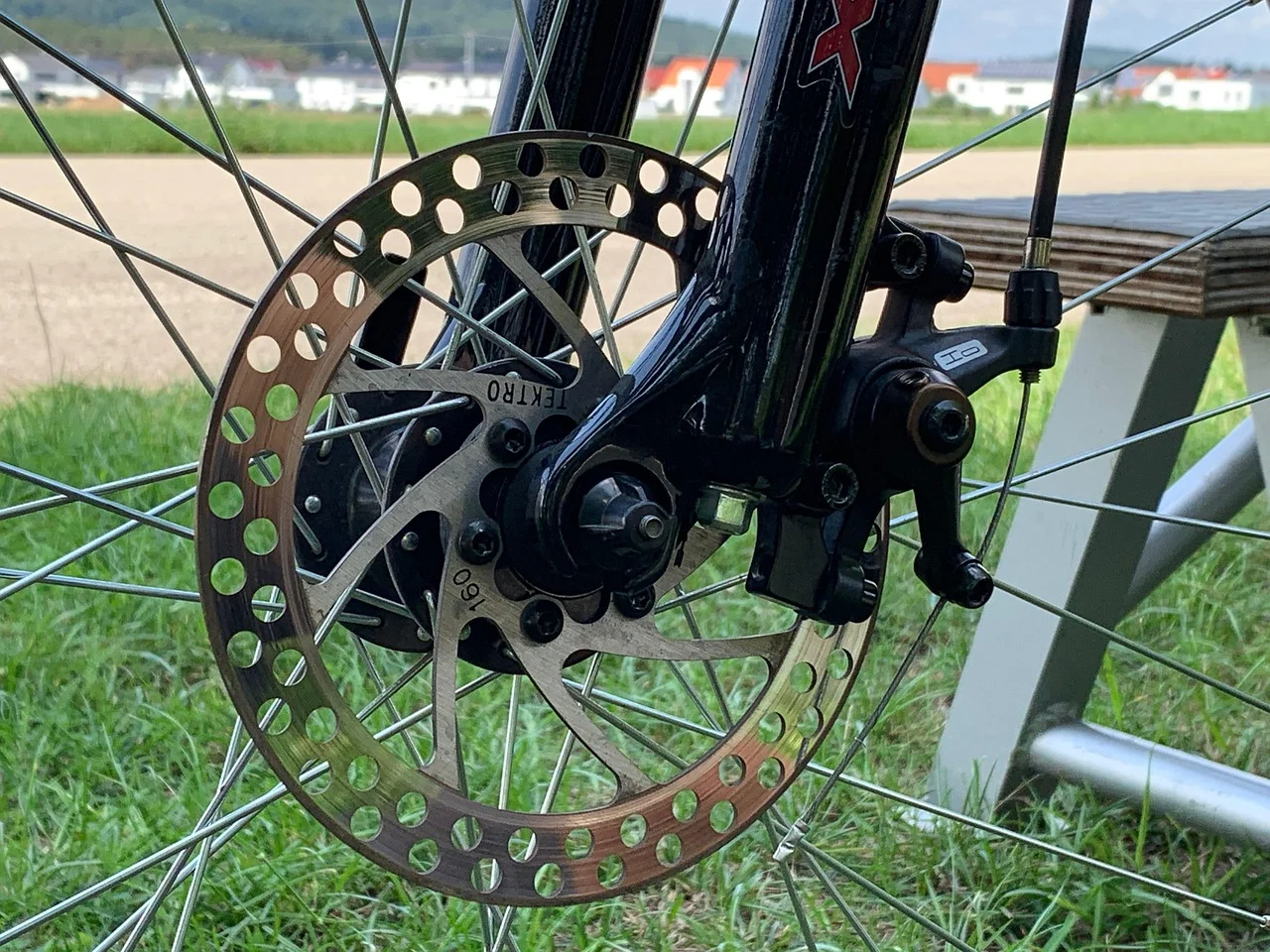
- Inspect component durability: Verify that the bike features four-piston hydraulic brakes and reinforced casing tires to handle heavier frame loads.
E mountain bikes for sale and evaluating reviews
When browsing e mountain bikes for sale, you encounter various brand ecosystems. Options include specialised offerings like the Specialized Turbo Levo lineup, Trek Rail series, and Cannondale Moterra models. Read e mountain bike reviews carefully. Buyers see how testers evaluate motor heat management, battery removal processes, and frame durability over long-term use.
Always inspect warranty terms for the motor and battery system. These proprietary electronic components cost significantly more to replace out-of-pocket than standard bicycle drivetrain parts.
E mountain bike rentals near you: How to test before buying
Before committing thousands of dollars to a purchase, search for local e mountain bike rentals near you. Alternatively, visit demo days hosted by regional bike shops. Renting a bike for a full weekend on your local trails teaches you more about motor power delivery. Such experience with weight handling and sizing provides more than any specification sheet can.
Pay attention to how the bike feels. Notice this when you push it through tight switchbacks and lift it over fallen logs on the trail.
E mountain bike with throttle vs pedal assist
You must understand the legal and functional differences between an e mountain bike with throttle and a purely pedal-assist model. Most true mountain bikes use pedal-assist (Class 1), meaning the motor only activates when your feet turn the cranks.

Throttles allow you to move forward without pedaling. Land managers frequently ban throttle-equipped bikes from singletrack hiking and biking trails. Check your local trail regulations before buying a throttle model to ensure you have legal places to ride.
E mountain bike for kids and youth riders
Specialised youth e-mountain bikes exist for younger riders, but you must evaluate weight, power output limits, and physical maturity carefully. Because children weigh significantly less than adults, full-power motors can feel jerky or overpowered on smaller frames.
Opt for lightweight systems with restricted top speeds and lower torque outputs if you want to introduce a young rider to assisted trail cycling safely.
Common problems and their fixes
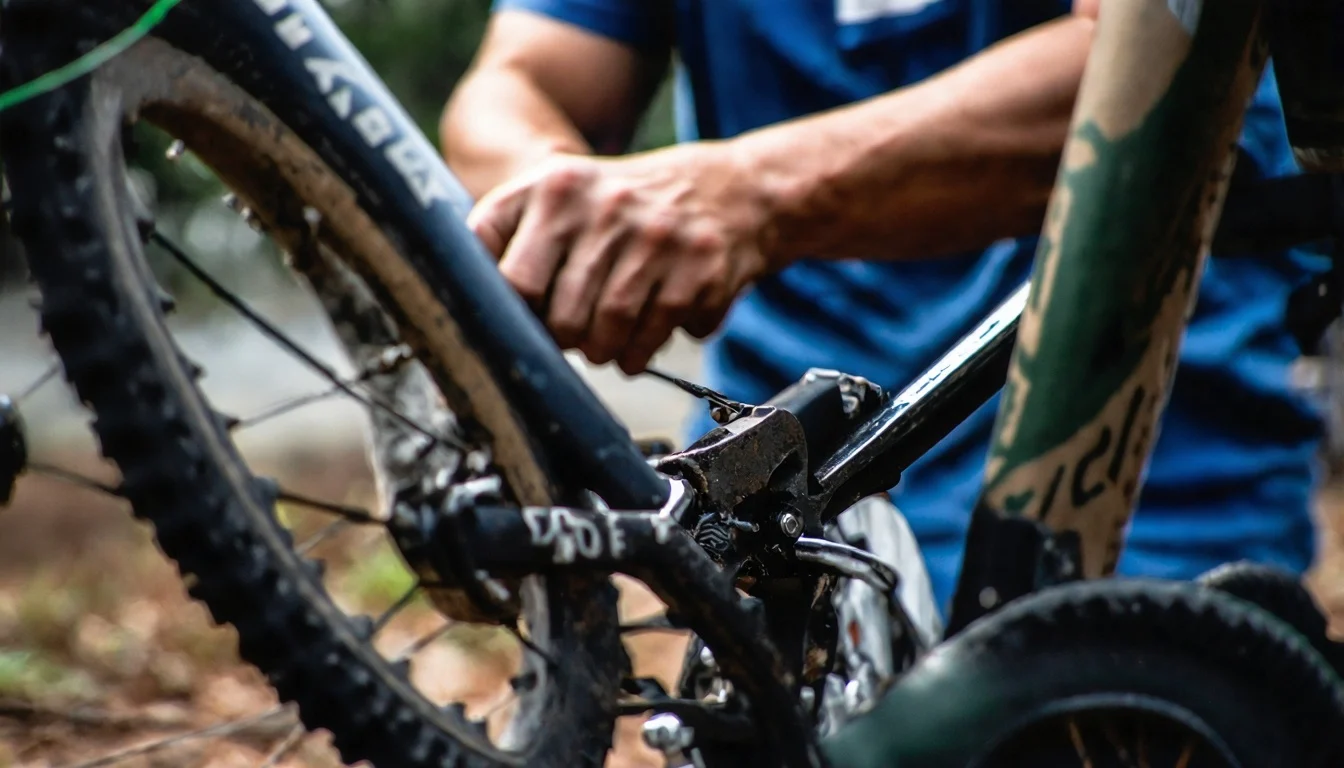
Electric mountain bikes introduce unique mechanical and electronic challenges that you can troubleshoot with basic maintenance habits:
-
-
- Excessive chain wear: High motor torque wears out drivetrains faster. Inspect your chain with a chain checker tool every few weeks and replace it before it damages the cassette.
- Motor rattle or noise: Internal gear lash inside some mid-drive motors creates a slight ticking sound over rough bumps. Check your motor mount bolts to ensure they remain torqued to factory specifications.
- Battery connectivity errors: Dirt and moisture can build up on external charging ports or battery terminals. Clean the contacts with a dry cloth and specialised electrical contact cleaner if your display fails to power on.
- Brake fade on downhills: The extra weight of the bike increases stopping distances. Upgrade to larger brake rotors (200mm or greater) and metallic brake pads if you experience fade on long descents.
-
Who this advice does not suit
This guide does not suit riders who want an ultra-lightweight, traditional bicycle experience with zero electronic maintenance. If your local trail network strictly bans all motorized vehicles, or if you prefer the minimalist mechanical simplicity of an acoustic mountain bike, an e-mtb is the wrong tool for you.
Frequently asked questions
Can e mountain bikes get wet?
Yes, e mountain bikes are built with weather-resistant electrical components that withstand rain, puddles, and mud splashes during normal trail rides. However, you should never pressure wash the motor or battery seals, as high-pressure water can force moisture past protective gaskets.
Do you need a license to ride an e mountain bike?
Most Class 1 e mountain bikes do not require a license or registration because they provide pedal-assist up to 25 km/h in the EU or 20 mph in the US without a throttle. Always check local trail regulations and regional laws before riding, as rules vary by land manager and state.
Why buy an electric mountain bike over a standard bike?
You buy an electric mountain bike to increase your climbing speed, reduce fatigue on long routes, and maximise your riding time when you have a busy schedule. The motor matches your effort so you still receive a cardiovascular workout.
What is the difference between full suspension and hardtail e-MTBs?
Full suspension e-MTBs include both front and rear shock absorbers to maintain traction over rough roots and rocks. Hardtails lack rear suspension, offering a simpler design that costs less and requires less maintenance, making them ideal for smoother dirt roads.