
 By Hashim Hashmi

This guide covers how to choose the right electric cargo bike by comparing prices, styles like longtails and front-loaders, and modular accessories for families and pets. It also outlines essential motor and battery specifications, safe payload limits, and common maintenance challenges.
Electric Cargo Bike Guide: Prices, Styles, and How to Choose the Right Hauler
An electric cargo bike is an e-bike specifically designed with a reinforced frame and dedicated space to carry more cargo, equipment, or passengers than a conventional bicycle, with electric assistance to manage the additional load.
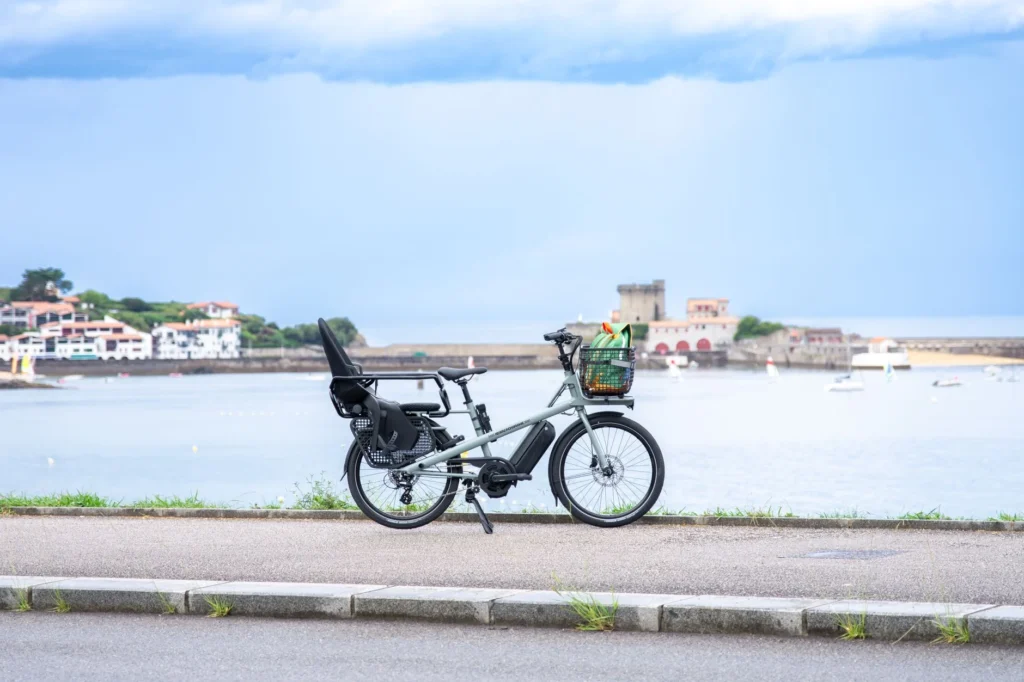
Adding a standard basket or rear rack to a standard e-bike does not turn it into a true cargo platform. Purpose-built utility frames maintain structural integrity under heavy loads, using low-slung decks and solid tubing to handle hundreds of pounds of extra weight safely. The electric motor acts as an equalizer when you tackle hills or start from a dead stop with a heavy load, removing the strain that makes traditional heavy hauling exhausting.
How much are electric cargo bikes?
Current prices for electric cargo bikes range from budget options around $899 to premium models exceeding $10,000, with many popular models sitting in the $1,499 to $3,499 range. When shopping for an electric cargo bike for sale, you must factor in your intended use case. Premium models from established brands often feature high-torque mid-drive motors, integrated lighting, and proprietary child-carrying accessories that push prices past premium thresholds, while direct-to-consumer alternatives offer lower entry points.
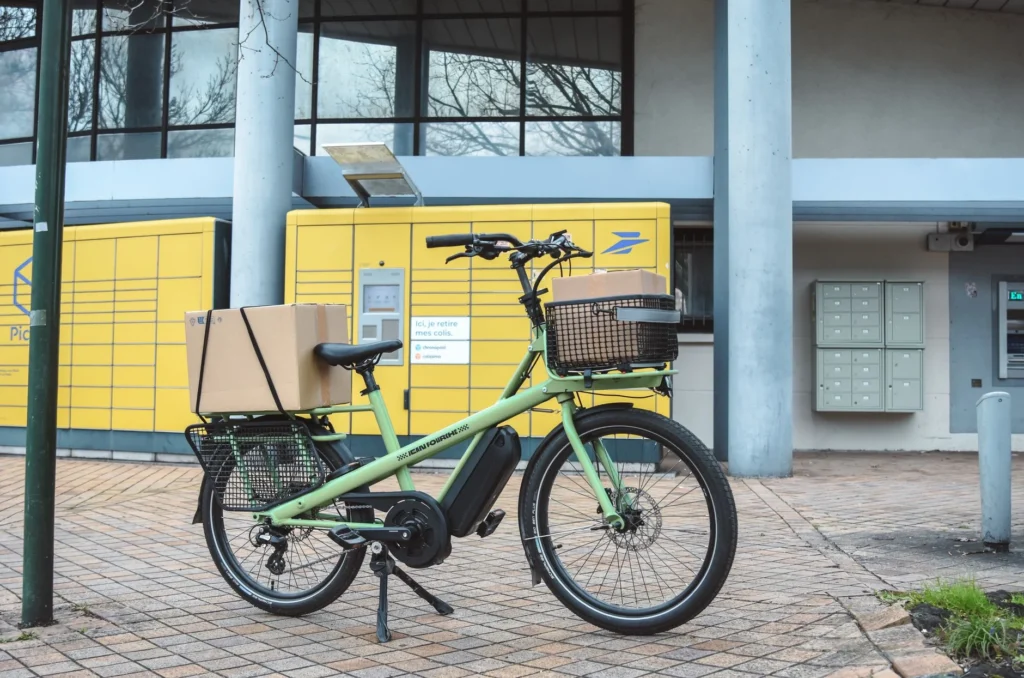
To find the cheapest electric cargo bike that still meets safety standards, you need to separate essential utility features from costly extras. Entry-level models typically use rear hub motors and mechanical disc brakes, which work well on flat terrain. Mid-range and high-end models upgrade to hydraulic disc brakes and mid-drive motors that use your shifting gears. You need these features if you regularly climb steep hills with a heavy family or delivery load.
What is electric cargo bike design and how do styles compare?
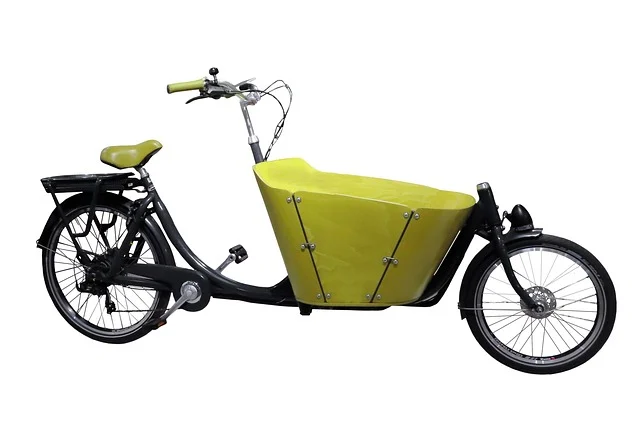
Main cargo e-bike types include longtails with extended rear racks, front-loaders featuring a box or platform between the rider and front wheel, compact utility bikes, and three-wheel cargo trikes. Longtails handle much like a normal bicycle once you get used to the extended rear end, making them ideal for narrow storage spaces and standard bike racks. Front-loaders, often called Bakfiets, place children or cargo down low in a front box, giving you a clear view of your passengers while keeping the center of gravity exceptionally low.
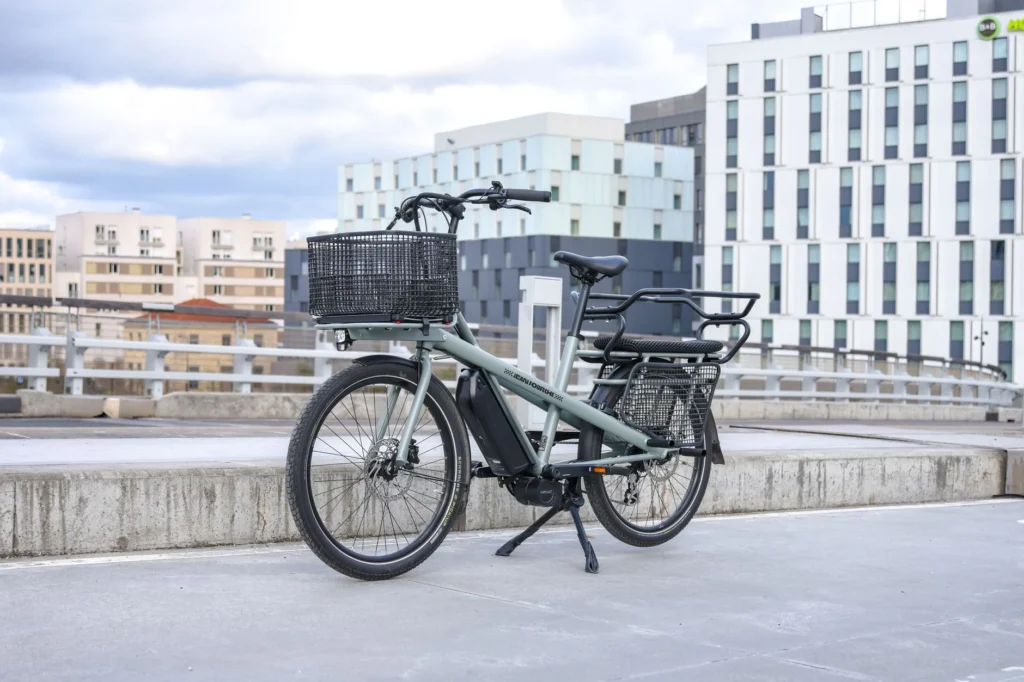
Choosing between an electric cargo bike front load style and a rear-loading longtail depends entirely on what you haul. Front-loaders excel at protecting young children from wind and traffic because your passengers sit directly in your field of vision within an enclosed bucket. Longtails function better if you need to park in tighter garages, carry older kids who sit on a padded rear bench, or transport long items like lumber and surfboards strapped alongside the rear deck.
Electric cargo bike for adults, families, and pets
You can adapt an electric cargo bike for adults of various sizes, family transport, or hauling pets by selecting the correct modular accessories. Manufacturers build adjustable seatposts, telescoping handlebars, and step-through frames into these utility models so multiple adult riders in the same household can share a single bike comfortably.

When you look for an electric cargo bike family setup, you add accessories such as monkey bars, child seats, or full rain canopies. For an electric cargo bike with child seat configurations, you must verify that the rear deck or front bucket meets safety certifications and accommodates your children’s specific ages and weights. If you want an electric cargo bike for dogs, you use front-loading box bikes with a flat rubberized floor and a tether attachment, or large rear decks fitted with low-sided wooden rails to keep your pets secure during transit.
How much weight can you safely carry?
This maximum payload rating includes the rider, passengers, cargo, and accessories combined. Always check individual component ratings, as specific weight limits apply independently.
What motor and battery specs matter most?
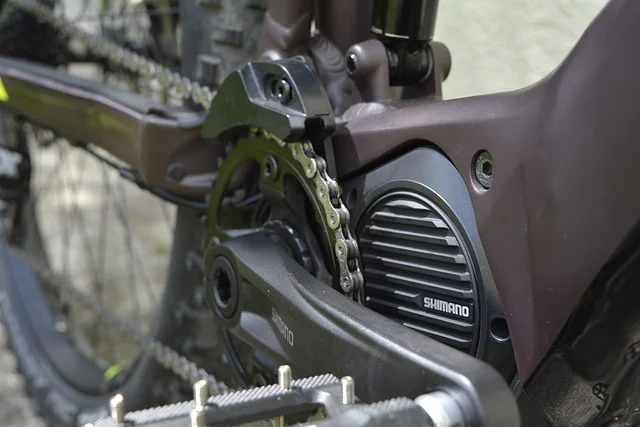
Cargo e-bikes typically use mid-drive motors with high torque ranging from 75 Nm to 125 Nm to assist with heavy loads on steep climbs. Motor wattages usually span from 250W continuous to 750W continuous, with peak outputs reaching higher. Battery capacities vary widely, with some designs using single packs like 717 Wh, 801.6 Wh, or 960 Wh. Heavier family haulers support dual-battery systems stretching total capacity past 1450 Wh or 1920 Wh for extended range.
Common problems and how to fix them
Heavy loads place immense stress on bicycle components, leading to specific maintenance challenges that you must address to keep your hauler running safely.
- Worn brake pads and warped rotors: Heavy bikes require significantly more stopping distance. You inspect your hydraulic or mechanical brake pads monthly and replace them immediately when the friction material thins out to prevent rotor damage.
- Spoke breakage and wheel truing: High payloads put extra radial and lateral force on wheels. You check spoke tension every few weeks, especially on rear wheels of longtail bikes, and take the wheel to a local bike shop if you notice any wobble.
- Chain and drivetrain stretch: The combination of your pedal power and high-torque motor wears out chains and cassettes quickly. You clean and lubricate your chain weekly and measure chain stretch using a tool to swap the chain before it ruins your more expensive cassette.
- Range drop in cold weather: Lithium-ion batteries lose efficiency in freezing temperatures. Users store batteries indoors at room temperature between rides and mount them on the bike only when ready to depart.
Who this advice does not suit
Skip this vehicle if you need something lightweight to throw into the trunk of a compact car on a regular basis, unless you purchase a specialized folding cargo model. If your daily commute involves storing your bicycle in a cramped office cubicle or carrying it onto crowded commuter trains, a standard folding e-bike or traditional commuter bike serves your needs much better.

Sources: Cargo bike
Frequently asked questions
What is the best cargo electric bike?
The best model depends entirely on your cargo needs. Options like the Tern GSD serve as top-tier longtail choices and Urban Arrow front-loaders dominate family transport.
Can an adult ride in a cargo bike?
Most cargo bikes are rated for children, cargo, or adults up to specific passenger weight limits. Total payload must stay within the frame and accessory limits.
What e-bikes to stay away from?
Avoid uncertified models that lack recognized electrical safety lab testing. Bypass discontinued or orphaned brands where replacement batteries and proprietary frame parts are impossible to source.