
 By Hashim Hashmi
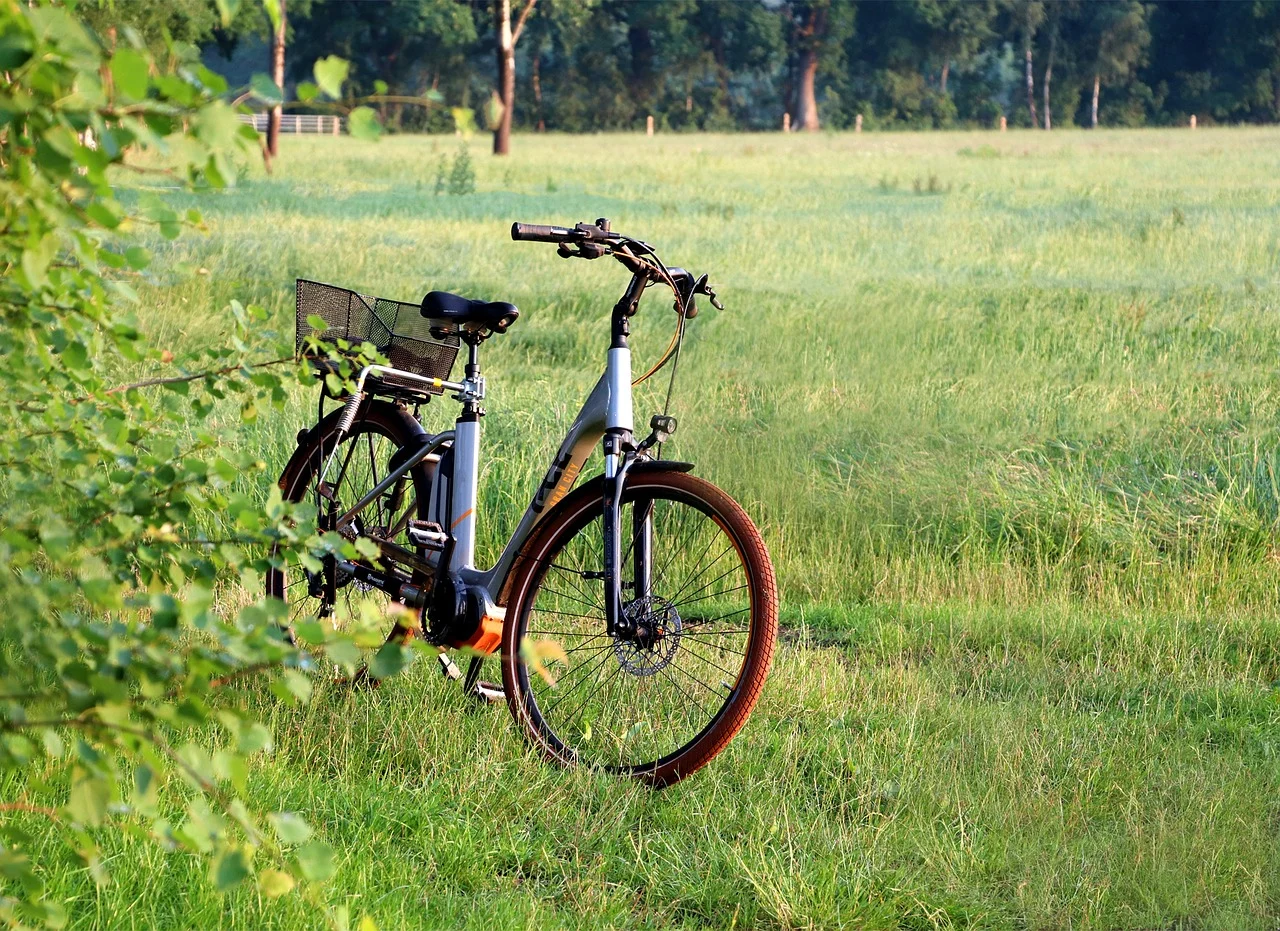

Are fat tyre electric bikes any good?
Fat tyre electric bikes provide exceptional stability and grip on loose or rough surfaces, making them ideal for riders tackling sand, snow, gravel, or unpaved tracks. According to Electric Bike Review, the increased surface area improves traction significantly, though it also adds friction and drag on smooth tarmac. If you plan to ride predominantly off-road or across mixed-surface environments, these machines perform exceptionally well.

However, you should consider whether your typical routes actually demand this level of rubber. If your daily rides consist entirely of smooth asphalt and urban cycle lanes, the added width brings unnecessary rolling resistance. The extra mass of the tyres, reinforced frames, and larger motors also makes these bikes significantly heavier than standard e-bikes, which can complicate tasks like carrying them up steps or lifting them onto car racks.
What are the disadvantages of fat tyre e-bikes?
The primary disadvantages of fat tyre e-bikes include increased weight, higher rolling resistance, and reduced battery range compared to conventional e-bikes. Because the tyres and reinforced frames add considerable mass, these bikes require more energy to accelerate from a standstill. If you run out of battery power mid-ride, pedalling a heavy fat-tyre machine home takes noticeably more effort than riding a lighter commuter model.
You will also find that maneuvering them in tight spaces or storing them in small apartments poses a challenge due to their sheer bulk. Also, replacement tyres and tubes tend to cost more than standard bicycle sizes, adding to your long-term maintenance overhead.
Why fat tires on electric bike designs matter for traction
Fat tires on electric bike builds matter because they alter how the machine interacts with the ground through volume rather than aggressive tread alone. When you lower tyre pressures down towards the lower end of the recommended range, the tyre casings conform to rocks, roots, and uneven surfaces instead of bouncing off them. This natural cushioning works alongside your frame suspension to smooth out rough terrain.

Despite this cushioning effect, remember that wider rubber does not instantly solve every handling challenge. As reviews note, tyre compound and your own weight displacement remain critical factors in how safely you corner and brake, particularly on slippery surfaces.
What are fat tyre electric bikes for?
Fat tyre electric bikes are built specifically to conquer terrain that traps or destabilizes standard bicycles. You use them when you want to ride across deep beach sand, fresh snow, thick mud, or loose gravel tracks without sinking or losing rear-wheel traction.
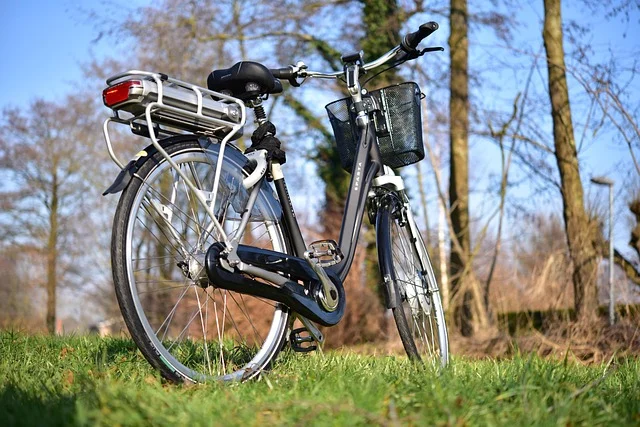
You also use them for backcountry exploring, hunting, and utility work on farms or homesteads where unpaved paths demand extra stability. The massive air volume in the tyres acts as a natural suspension system, which helps absorb punishing jolts when you ride over roots and rock gardens off-road.
Are fat tyre electric bikes better?
Fat tyre electric bikes are only better if your specific riding conditions involve unpaved, soft, or slick surfaces. If you judge them by off-road utility and comfort on rough ground, they easily outperform standard e-bikes.
However, you will find they are worse if you need a lightweight commuter bike for daily urban use. You sacrifice battery efficiency, speed, and handling agility on paved roads in exchange for that off-road capability.
Why fat tires on electric bike models improve stability
Fat tires on electric bike frames improve stability by drastically lowering your center of gravity relative to the massive contact patch on the ground. When you ride across unstable terrain, the wide footprint prevents the wheels from wandering into ruts or washing out.
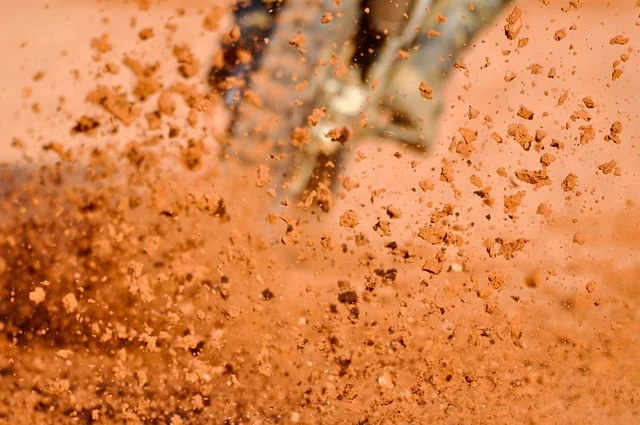
You experience less side-to-side slip when cornering on loose dirt because the outer knobs of the tyre engage the surface progressively. This gives you greater confidence when braking hard on mixed-surface descents.
What e-bikes to stay away from?
You should stay away from unbranded, ultra-cheap e-bikes that lack basic safety certifications or use unverified lithium-ion battery packs. Regulatory bodies such as the U.S. Consumer Product Safety Commission increasingly push for mandatory safety standards. Low-quality electrical components and uncertified batteries present severe fire risks. Always check that any model you consider meets recognized electrical and mechanical safety standards before purchase.
Fat tyre electric bike uk legal considerations
If you ride in the UK, you must ensure your fat tyre electric bike complies with EAPC (Electrically Assisted Pedal Cycle) laws. Your motor must have a maximum continuous rated power of 250 watts, and it must not propel the bike when you are travelling faster than 15.5 mph (25 km/h).

You do not need a licence, tax, or insurance to ride a legal 250W e-bike on UK public roads and cycle paths. If a fat tyre e-bike features a throttle that drives the bike above 4 mph without pedalling, it requires type approval to qualify as an EAPC; a motor exceeding 250W means it is not an EAPC and must meet motor vehicle rules. [gov.uk]
Fat tyre electric bike nz rules and trails
In New Zealand, power assist limits for electric bikes allow a maximum power output of 300 watts, and the bike must be designed to be primarily propelled by the rider’s muscular energy. [nzta.govt.nz]
You can ride legal fat tyre e-bikes on most public roads and standard cycleways. However, you must check local Department of Conservation (DOC) or regional council rules before taking high-powered or throttle-controlled fat tyre e-bikes onto mountain bike tracks, as many designated conservation trails restrict motor-assisted vehicles to protect tracks and other users.
Fat tyre electric bike australia regulations
Australian regulations split e-bikes into two distinct categories: Pedalec models with a maximum of 250W that cut out at 25 km/h, and throttle-powered or higher-wattage bikes.

You can ride a 250W pedal-assist fat tyre e-bike on standard public roads and bike paths across all Australian states without a licence. If your chosen model uses a twist throttle that exceeds 250W or operates independently of pedalling past walking speeds, state transport authorities generally classify it as an unregistered motor vehicle, restricting its use to private property.
Frequently asked questions
What is the best electric fat tire bike?
The right model depends on your budget and where you ride, with market options ranging from sub-$1,000 commuter versions to premium off-road models exceeding $3,500. Look for reputable brands offering certified batteries, adequate motor power, and components suited to your specific terrain.
Can you ride a fat tyre e-bike on normal roads?
You can ride a fat tyre e-bike on paved roads and cycle paths without issue, though the wider tyres will create more road noise and rolling resistance than standard commuter bicycle tyres.
How do I maintain fat tyres on an electric bike?
Next, you check tyre pressure regularly using a digital pressure gauge, keeping them within the manufacturer’s psi range to balance rolling efficiency with traction. You also inspect the wide tread for embedded glass or thorns, which puncture heavy-duty tubes just as easily as thin ones.
Why do fat tyre e-bikes drain batteries faster?
Fat tyre e-bikes drain batteries faster because the motor must overcome higher rolling resistance, extra aerodynamic drag from wide forks, and the heavier overall weight of the bike and wheels during acceleration.
[Related Article: Best Electric Bikes for Commuting]